19 May 2013

Cyborg


Painting by FRED FREEMAN, originally appearing in the July 11, 1960 issue of LIFE Magazine.

The creature unreeling an electric cable as he explores a distant planet is a man prepared for  space as some scientists propose. Electrodes and other attachments would control many of the physical functions normally initiated by the brain, such as heart-beat, regulation of body temperature, and breathing. Electrodes planted in the pleasure centers of the brain would help him to pass the tedium of space travel. Dubbed a "Cyborg" (cybernetic organism), he may well exist in the near future for U.S. space agencies have authorised serious research towards his creation.


18 May 2013

Saturday Morning Comics~Men Into Space


Men Into Space was  an American science-fiction television series broadcast from September 30, 1959 to September 7, 1960 by CBS which depicted future efforts by the United States Air Force to explore and develop outer space. The black-and-white filmed show starred William Lundigan as Col. Edward McCauley.


  DELL did a comic book adaption ;Four Color #1083 (March-May 1960)


Here is the first of three stories in that issue, based on the first episode of the series.

Script:Gaylord Du Bois
Pencils:Murphy Anderson


The series was not set in a specific era, but clues throughout the scripts indicated that it took place in the mid-1970s to mid-1980s, with the first moon landing somewhere around 1975. Props were occasionally futuristic (such as a forerunner of today's real-life LCD TVs) but the show's earthly clothing and environs, including automobiles, telephones and other machines, were decidedly 1950s.


17 May 2013

The Laxies

This ad campaign from the early 50s gives us the Laxies, three stool-hastening imps of varying tempers.


16 May 2013

Comic Book Short Story~Big Boy


 The long running comic giveaway THE ADVENTURES OF BIG BOY started in 1957 with the first few produced by Timely Comics, forerunner of Marvel. Sub-Mariner creator Bill Everett was responsible for almost the whole of , at least, the first issue. Here is one of the short stories, an a puzzle page.


Eastern editions got a different cover...mascot must have been different then.

15 May 2013

Star Born Original Art

for the 1971 Ace edition of Andre Norton's STAR BORN, by Dean Ellis.


12 May 2013

The Blue Beetle (Radio Drama)


The exploits of Dan Garrett, a rookie patrolman who, by wearing bullet-proof blue chain mail, transformed himself into the mysterious Blue Beetle, a daring crusader for justice.


The Blue Beetle was created by Charles Nicholas. The character made his first appearance in August of 1939 in the comic book Mystery Men #1, published by Fox Features Syndicate.

The Blue Beetle radio serial aired from 05-15-40 to 09-13-40 as a CBS 30 minutes, syndicated series. Actor Frank Lovejoy provided the voice of the Blue Beetle for the first thirteen episodes. Later episodes were uncredited.

After his father was killed by a gangster's bullet, young Dan Garrett joined the New York Police Department, but soon tired of the slow pace and red tape of police work.

With the help of his friend and mentor, pharmacist and drug-store proprietor Dr. Franz, Dan acquired a costume of bullet-proof chain-mail-like cellulose material, and began a second life, fighting crime as The Blue Beetle.
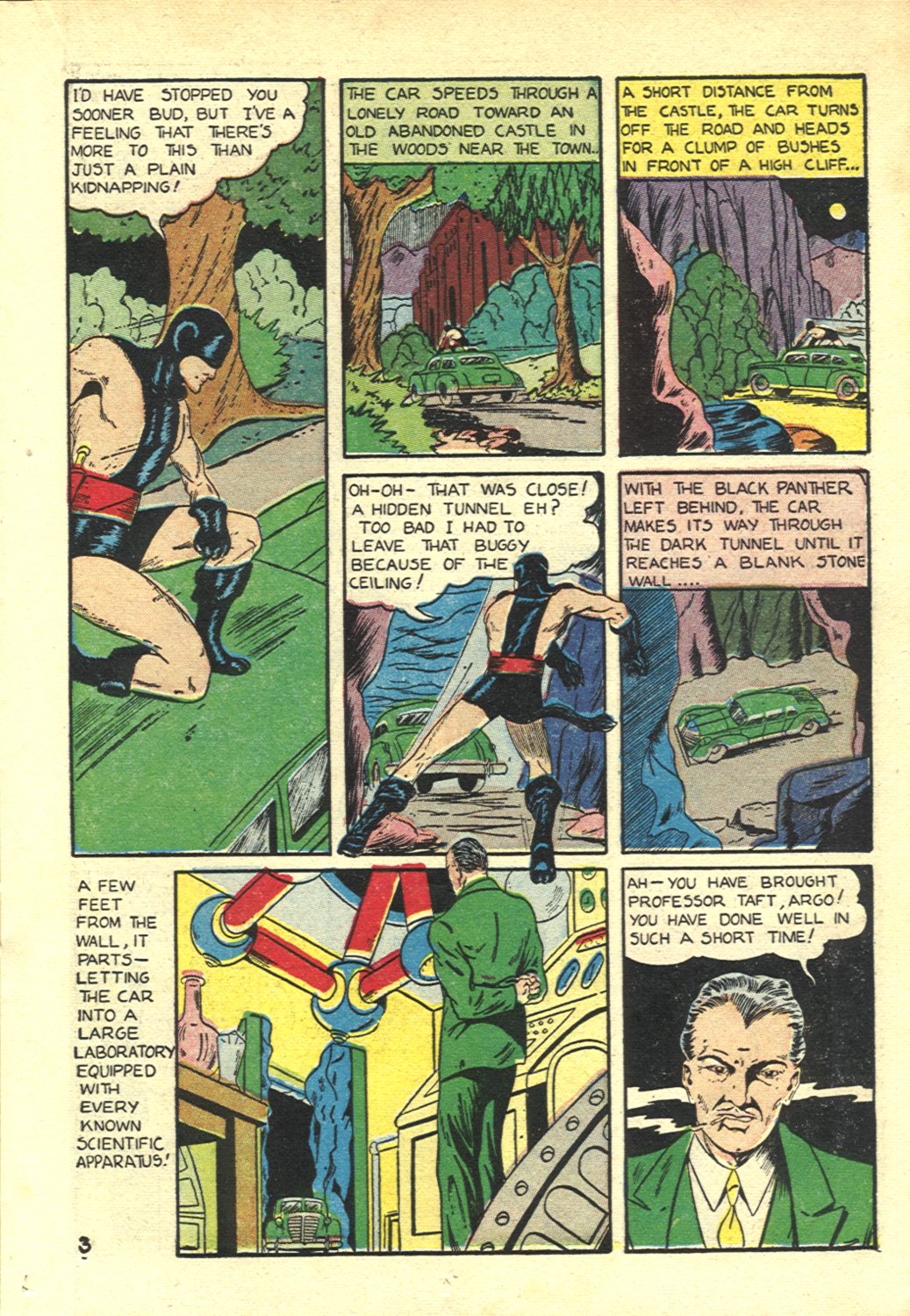
His calling card was a small beetle-shaped marker that he left in conspicuous places to alert criminals to his presence, using their fear of his crime fighting reputation as a weapon against them. For this purpose he also used a "Beetle Signal" flashlight. The Blue Beetle's reputation was not his only weapon -- he carried a revolver in a blue holster on his belt, and was sometimes shown wearing a multi-pouched belt after the style set by Batman. Also in the Batman vein, the Blue Beetle had a "BeetleMobile" car and a "BeetleBird


some episodes: (Click to hear)

Drug Ring 

11 May 2013

Saturday Morning Comics~Buster Brown Goes To Mars

1958 giveaway 


Making its first appearance in 1902, Buster Brown was Richard F. Outcault's follow-up to his breakthrough strip, Hogan's Alley, starring the Yellow Kid. Instead of terrorizing the mean streets of a New York City slum, as the Kid did, Buster and Tige raised hell on Park Avenue.  Buster pulled pranks, got into fights, and was regularly whaled to within an inch of his life by his mom, just like any boy of his day. Outcault most likely named him after arguably the greatest acrobatic comedian ever, Buster Keaton, who even as a boy was a big star on the vaudeville circuit.